2025 Driver Education Round 3
The Real Dangers of Distracted Driving
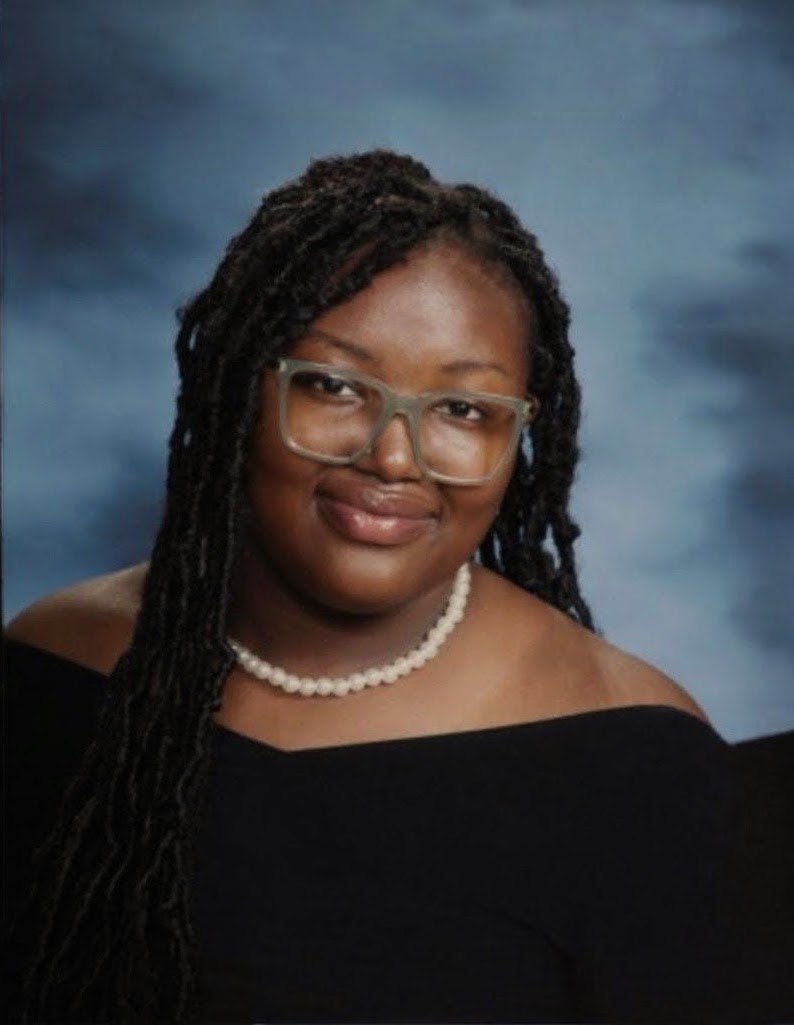
Janiah Orr
Hardeeville, South Carolina
As a young driver myself, I know exactly how dangerous it is when you are distracted behind the wheel. Distractions can come from anything, like phones, music, conversations, sleep, and even stress, and they can all have deadly consequences. Many people think distracted driving only means texting or drinking, but it is more than that. It does not just affect you; it affects everyone around you. You look away one time, and it can destroy lives. When I took my driver’s education class before getting my license, we learned about safe driving habits, watched videos of real accidents, and saw how quickly things can change on the road. Those lessons opened my eyes and made me realize that staying alert is not just about following rules, but it is about valuing life, both mine and others.
In my driving class, an important moment came from a video showing how a few seconds of distraction can cause destruction. It was not staged or exaggerated; well, this part was, but it was real footage from traffic lights. Seeing how quickly a car could swerve into oncoming traffic or rear-end another vehicle just because the driver was looking away for a few seconds left an impression. I realized that those “few seconds” are really all it takes for disaster to strike. No one ever thinks it will happen to them, but that is what every single person in those accidents thought. The truth is that no one is invincible on the road. Whether you are a new driver or have decades of experience, the moment you stop paying attention, you put yourself and others at risk.
Distracted driving goes beyond texting and social media. People forget that talking to passengers, adjusting to the radio, eating, or just daydreaming can also be forms of distraction. Even the presence of friends can become a hazard. As a young driver, I have noticed how easily conversations can get animated or loud in the car, especially when music is playing or everyone is laughing. It is easy to lose focus for just a moment, but that moment can be enough to cause an accident. I have learned that setting boundaries, even with friends, is important. If I am driving, my priority must be the road. I have started making a habit of asking everyone to keep the noise down or wait to show me something until we park. It is easy, but it can make the difference between a safe trip and a tragedy.
Another major distraction that is often overlooked is sleep. Many people underestimate the dangers of driving while tired. When you are sleep-deprived, your reaction time slows down, your awareness decreases, and your judgment becomes impaired. In my class, the instructor compared drowsy driving to drunk driving, and at first, I did not believe it. But when I learned that being awake for 18 hours straight affects you like having a blood alcohol concentration of 0.05% and staying awake for 24 hours is like being at 0.10%, it surprised me. That is above the legal limit in most states. I realized that being tired behind the wheel is not just “pushing through” exhaustion; it is as dangerous as driving drunk. Sleep deprivation can make your eyes heavy, your mind wander, and your ability to stay in your lane weaken. It is not something to take lightly, especially for young drivers like me who often stay up late studying or hanging out with friends.
The consequences of distracted driving are heartbreaking. Every year, thousands of people lose their lives because someone was texting, talking, or too tired to drive safely. Behind those numbers are families who never get to see their loved ones again. There are mothers, fathers, siblings, and friends who will forever live with the pain of losing someone to something that could have been prevented. That is what makes distracted driving so tragic; it is entirely avoidable. If we could all make small, conscious choices to be more responsible, countless lives could be saved. I think about this often, especially when I see people on their phones at red lights or swerve slightly because they are distracted. I remind myself that every choice I make while driving could affect not just my own life but also someone else’s future.
To raise awareness of the dangers of distracted driving, we have to start with education and peer influence. When people my age hear statistics from adults, it does not always sink in. But when we hear it from other young drivers who share real stories, it feels more personal and real. Schools could host interactive presentations that allow students to experience what it is like to be distracted, like with my school even though it's just around prom time they do a prom promise where they have kids do a reenactment of what happens when you drink and drive. Students could also create campaigns on social media that share firsthand experiences and safety tips, turning awareness into something relatable and community driven. Instead of just hearing “don’t text and drive,” young drivers should see examples of what responsible driving looks like from people their own age.
Another idea is to incorporate pledge programs where young drivers commit to driving distraction-free. When you sign something that holds you accountable, it becomes a personal promise rather than just a rule. Local organizations or schools could even host competitions for creative campaigns that spread awareness, such as short videos, art projects, or social media challenges focused on safe driving habits. Teens are so creative, and if we are encouraged to use that creativity for a good cause, we can reach other young drivers more effectively than lecturers ever could.
Technology can also play a huge role in prevention. There are apps that can automatically disable text notifications while driving, and some cars already have built-in features that detect when the driver is drifting or not paying attention. Encouraging more people to use these tools could help reduce accidents. I also think there should be more emphasis on public campaigns that show the emotional impact of distracted driving; not just the crashes, but the aftermath. Seeing the heartbreak of families who lost loved ones hits harder than just seeing statistics.
We can also raise awareness by making the message visible in everyday life. Posters at schools, short reminders before movies, or digital signs on highways that say “Eyes on the Road; Lives Depend on It” all help reinforce the message. The more we see and hear it, the more likely it becomes a habit. For young drivers, habits are key. If we learn early that every message, snack, or distraction can wait, it becomes part of our natural driving routine.
Preventing distracted driving comes down to personal responsibility and respect for ourselves, our passengers, and the strangers who share the road with us. I have learned that driving is a privilege, not a right, and it comes with serious responsibilities. Every time I start my car, I remind myself that I am controlling a vehicle that can take a life in seconds if I am not careful. That reminder keeps me grounded and focused. It is not about fear; it is about awareness and maturity.
In the end, distracted driving has made me more cautious, more thoughtful, and more appreciative of the responsibility that comes with being behind the wheel. I have seen how quickly accidents can happen and how easily they can be prevented. My hope is that through education, technology, and honest conversations, we can build a generation of drivers who take safety seriously. The road is unpredictable, but our choices don’t have to be. By keeping our eyes on the road, our hands on the wheel, and our minds focused, we can protect not only our own lives but also the lives of everyone else.
Content Disclaimer:
Essays are contributed by users and represent their individual perspectives, not those of this website.



3 votes
An accident that made me aware that also time and impatience can be impairement
Karin Deutsch


