2025 Driver Education Round 3
The Responsibility That Comes With Freedom
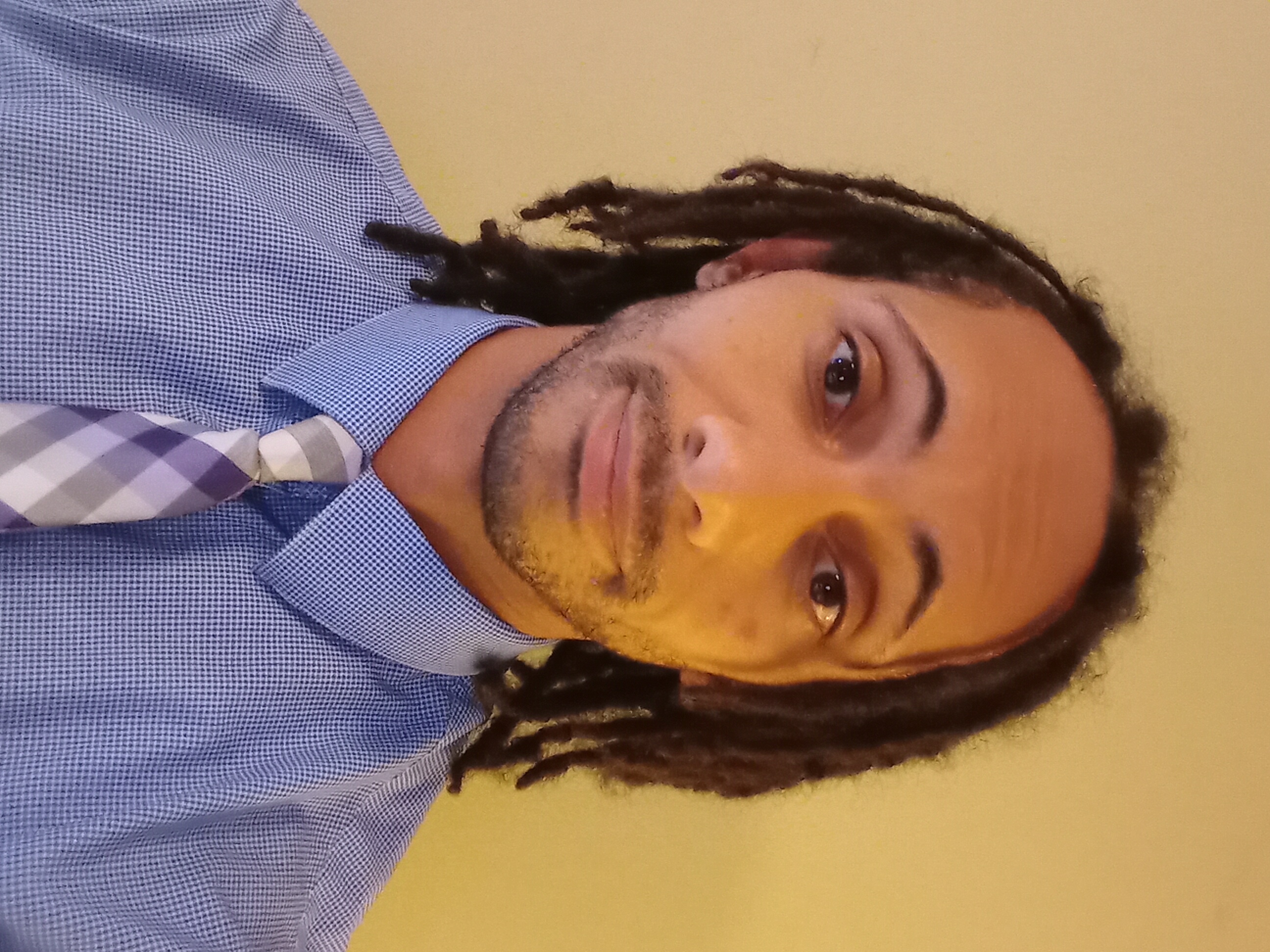
Matthew Ellington
Arden, NC
The open road has always represented freedom — the ability to move, to explore, to go wherever life leads. But that same freedom also carries weight. Every time someone gets behind the wheel, they take on a responsibility that affects not just their life, but everyone else’s. I’ve seen enough behind the windshield to know that safety doesn’t just happen on its own. It comes from awareness, education, and a shared respect for the simple rules that keep us alive.
Driver education is where that foundation begins. A lot of people think it’s just about memorizing traffic signs or learning to park between two cones. But real driver education goes much deeper than that. It’s about learning how to read the road — recognizing patterns, spotting hazards before they happen, and understanding that the car you drive is a two-ton machine that demands focus and respect. It’s about learning judgment, not just skill.
According to the National Highway Traffic Safety Administration, drivers between 15 and 20 are still involved in more fatal crashes than any other age group. That number has been around for years, and it hasn’t changed much. To me, that means we’re not doing enough to teach young and inexperienced drivers what safe driving really looks like. It’s not just a checklist or a course to get through before a test — it’s a mindset that has to be practiced every time you turn the key.
Of course, knowledge and good intentions only go so far. The reality is that safer roads require more than just education — they need a mix of technology, law enforcement, and accountability. In recent years, we’ve seen incredible progress with advanced driver-assistance systems — automatic braking, blind-spot warnings, adaptive cruise control, and lane-keeping alerts. Those systems save lives every day, and the numbers back it up. But they can’t replace human responsibility. Technology can correct mistakes, but it can’t stop someone from making a bad decision in the first place.
Speeding, distracted driving, and driving under the influence are still the biggest causes of crashes. It doesn’t matter how advanced cars get — no machine can override recklessness. That’s why stronger law enforcement and public awareness matter just as much as new innovations. Campaigns that remind people to buckle up, slow down, and put their phones away may seem basic, but they work. Safe driving isn’t something that happens by chance; it’s something we have to build, one decision at a time.
I’ve been fortunate not to have been in a serious accident myself, but I’ve seen what careless driving looks like up close. Living in busier cities, I’ve watched drivers run red lights, tailgate at high speeds, and weave through traffic like rules don’t apply to them. It’s one thing to hear about road fatalities on the news — it’s another to see that kind of recklessness in real time and realize how thin the margin for error really is. Watching that changed the way I think about driving. It’s not just a way to get from point A to point B; it’s a privilege that can vanish in an instant.
That awareness is part of what pushes me toward engineering and innovation. I want to help design systems that make roads safer — not by replacing people, but by helping them make better decisions. Smarter vehicles, better road design, and real-time data analysis could all make driving less dangerous. Imagine a transportation network where cars communicate with each other, where intersections sense congestion before it happens, and where AI can predict risks based on traffic flow. We’re getting closer to that world every year, but we still need people who understand both the technology and the human side of the problem. That’s where I hope to make my mark.
In my own life, I try to hold myself to the same standard I want others to follow. I stay off my phone when I drive, keep a safe following distance, and make a point to stay aware of what’s happening around me. They’re small things, but they matter. I’ve also learned to speak up — whether that’s asking a friend to slow down or reminding someone that texting can wait. Most people don’t set out to be reckless; they just forget how fragile everything really is.
As a veteran, I’ve learned what discipline, awareness, and focus really mean when the stakes are high. Those qualities translate directly to driving — where distractions and complacency can have real consequences. That experience also shapes how I see safety overall. Whether it’s on the road, in a workshop, or behind a computer, the principles are the same: focus, respect for the process, and awareness of how your actions affect others.
Going forward, I want to stay involved in efforts that promote safer roads. That might mean volunteering with driver-education programs, helping organize awareness events, or working on technology that prevents crashes. The goal isn’t perfection — it’s progress. Every step that makes people think twice before taking a risk behind the wheel is a step toward saving lives.
In the end, driving gives us incredible freedom, but freedom without respect is dangerous. If we want safer roads, we have to treat driving like the shared responsibility it is. Education teaches awareness, technology adds protection, and accountability ties it all together. When those three things work in harmony, everyone benefits. I believe that’s possible — and I want to be part of the generation that makes it real.
Content Disclaimer:
Essays are contributed by users and represent their individual perspectives, not those of this website.


3 votes
An accident that made me aware that also time and impatience can be impairement
Karin Deutsch