2025 Driver Education Round 3
The Responsibility That Comes With The Wheel
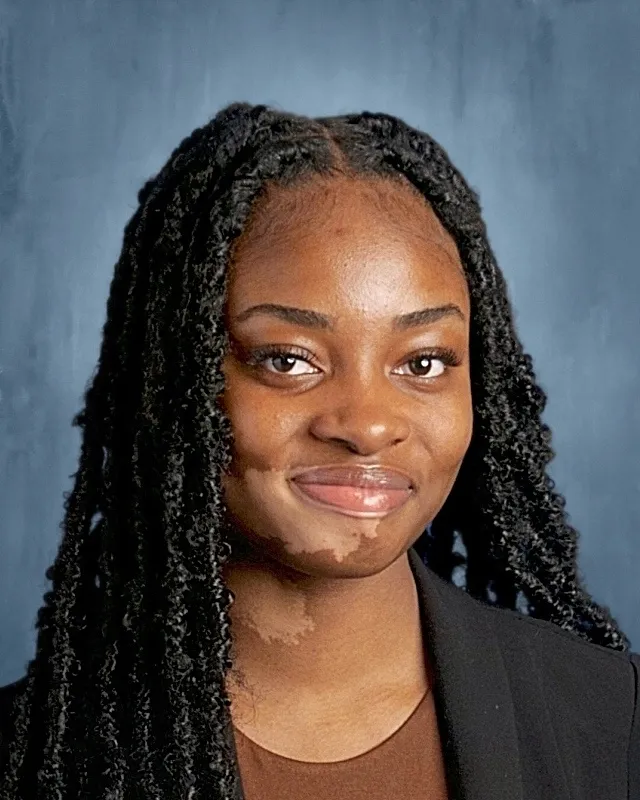
Merje Bataille
Hartford, CT
To me, impaired driving means losing focus on what truly matters—your safety and the safety of everyone around you. It’s not just about being drunk or high; it’s about any situation where your judgment, attention, or coordination isn’t at its best. Whether it’s texting, being overly tired, or thinking “I’m fine” after a few drinks, it all leads to the same thing: a dangerous choice that could take someone’s life in seconds.
I think impaired driving is misunderstood because many people believe it only applies to alcohol or drugs. But impairment comes in many forms—some we don’t even think about. People often underestimate how much being tired, emotional, or distracted can affect their driving. Even those who have finished driver’s education or traffic school might think they know enough, but it’s easy to forget that knowing the rules and living them are two different things. I’ve realized that safety isn’t just about skill; it’s about mindset.
Today, the most common types of impairment go far beyond alcohol. Texting and driving might be one of the biggest problems of this generation. Many people believe they can glance at their phone for just a second, but in that second, the car can travel the length of a basketball court. Drugs and alcohol still play a major role, too, especially with the rise of substances like marijuana that people think are “safe.” Fatigue is another hidden danger—people don’t realize that driving while tired can slow your reaction time almost as much as driving drunk. All these factors have one thing in common: they take away your full attention, and that’s something no driver can afford to lose.
A story that deeply changed how I think about impaired driving happened a few years ago near my community. A teenage boy, only a year older than me, was hit and killed by a drunk driver while driving home from his part-time job. I didn’t know him personally, but I remember how much his story spread across town. His friends and family described him as someone full of potential—someone who was doing everything right. Hearing his parents speak about the moment they got the call broke my heart. It made me realize that impaired driving isn’t an accident—it’s a choice. One person’s decision destroyed another person’s future. That story still stays with me every time I think about getting behind the wheel.
It changed the way I see responsibility. I promised myself that I would never get in a car with someone who’s been drinking or using drugs, and that I would never take a chance if I wasn’t fully alert. It also made me more confident in speaking up when I see someone else about to make that mistake. Sometimes people stay quiet because they don’t want to sound controlling or judgmental, but staying quiet can cost lives. I’d rather risk an awkward moment than risk losing someone forever.
Driver’s education and traffic school programs have the power to shape safer attitudes if they focus on more than just rules and tests. What makes these programs truly effective is when they connect real experiences to what students learn. Hearing real stories, watching simulations of reaction time under impairment, or meeting people who’ve been affected by it creates a kind of awareness that statistics alone can’t. When education feels personal, it changes behavior. It makes you think before picking up your phone, before saying “I’m fine,” or before assuming you’ll be careful “just this once.”
My role in preventing impaired driving starts with my own choices, but it doesn’t end there. I believe being informed gives me a responsibility to influence others, even in small ways. If I can convince one person to hand over their keys, call a ride, or wait until they’re sober, that’s one less risk on the road. My generation has access to tools that make safe decisions easier—like rideshare apps and hands-free technology—but it still takes personal discipline to use them. I want to be someone who leads by example, someone others can look to and say, “They made the right choice, and so can I.”
Impaired driving is one of those things people think “won’t happen to them” until it does. That’s what makes awareness so important—it reminds us that every choice behind the wheel matters. For me, driving represents freedom and independence, but it also represents trust. When I drive, I carry that trust with me, knowing that my actions affect everyone around me. The lesson I’ve learned is simple but powerful: staying alert, staying aware, and staying responsible saves lives.
If this essay reaches even one person who’s thinking about driving impaired, I hope it reminds them that no destination is worth a life—not theirs, and not anyone else’s.
Content Disclaimer:
Essays are contributed by users and represent their individual perspectives, not those of this website.



3 votes
An accident that made me aware that also time and impatience can be impairement
Karin Deutsch


