2025 Driver Education Round 3
The Road Between Life and Loss
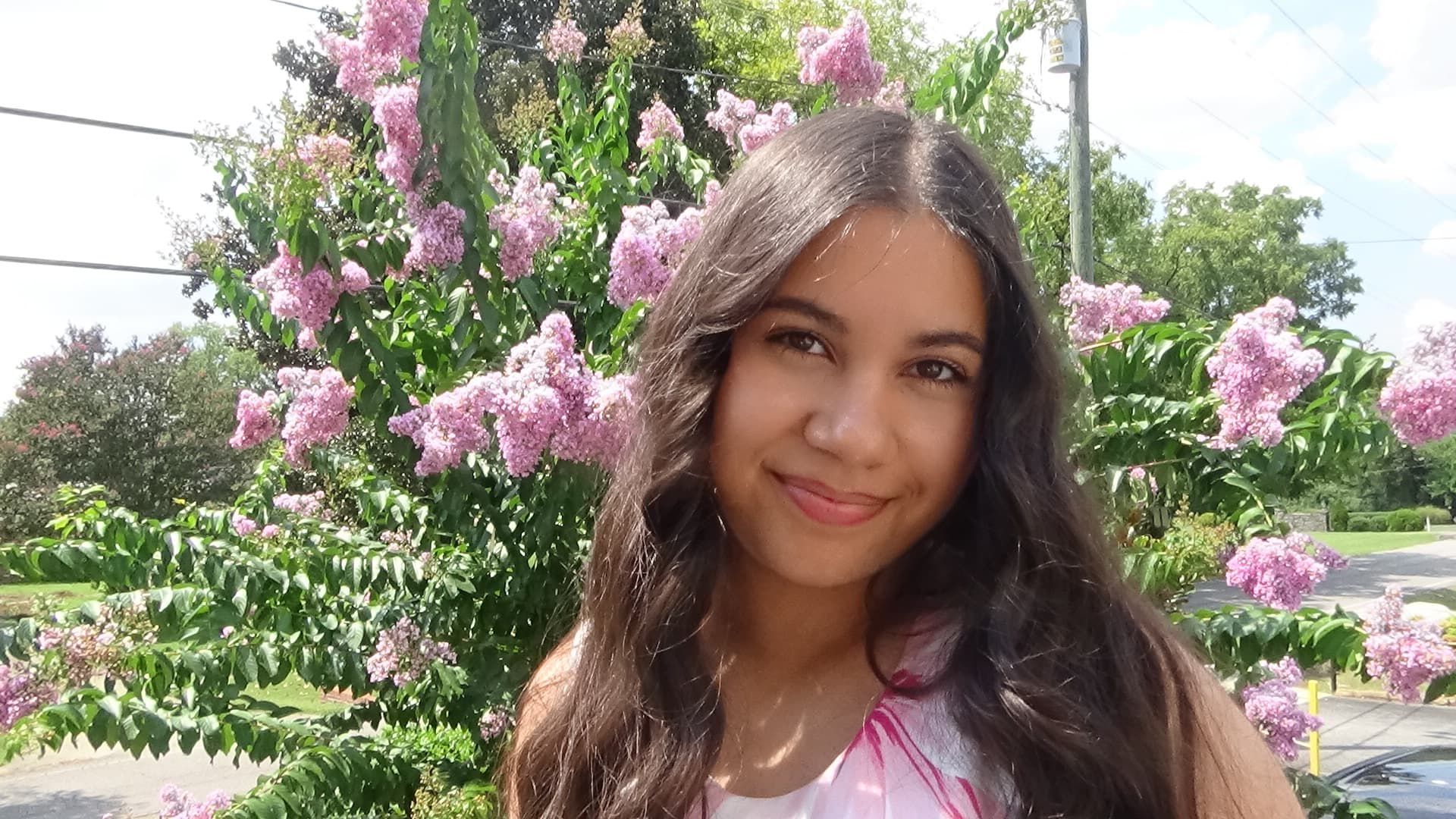
Liz Mariam Lorenzo Merino
White House, Tennessee
The first time I truly understood the danger of impaired driving, I was living in Cuba. I remember hearing about a tragic crash on Havana’s Malecón in 2019. A car driven by someone under the influence of alcohol struck pedestrians and killed several people. I don’t remember all the details clearly, but the story shocked me and stayed in my mind. Even though no one I loved personally was harmed, I realized that impaired driving can destroy lives in an instant. I thought about the families affected and the grief they had to endure. That moment made me understand that every choice behind the wheel matters and that no one is safe from the consequences of carelessness. I kept thinking about the families affected, imagining the grief, the unanswered questions, and the preventable nature of such tragedies. That image has stayed with me, influencing how I view every decision on the road.
To me, impaired driving means being behind the wheel when your body or mind is not fully able to focus, react, or make safe decisions. Impairment is not just about drinking alcohol or taking drugs. It can also happen when a driver is distracted, scrolling on a phone, tired, or emotionally overwhelmed. Many people, even after taking driver’s education or traffic safety courses, do not understand this. They think impaired driving only happens when someone is obviously drunk or reckless. They fail to see how a few seconds of distraction or a sleepy moment can be just as dangerous. Impaired driving is about what it does to reaction time, judgment, and coordination, not about intention.
The types of impairment affecting drivers today are wide-ranging. Alcohol and drugs remain a major concern, slowing reflexes, impairing judgment, and making coordination difficult. Fatigue also impacts attention and decision-making, increasing the chance of accidents. Distracted driving, especially texting or scrolling on a phone while driving, has become one of the deadliest risks. Even a short distraction can lead to tragedy. I see it all the time when I am a passenger. I remember my cousin giving me a ride and pulling out his phone. I immediately said to him, stop scrolling while driving. He put it away, and it made me realize how easy it is for distraction to take over. Moments like that remind me that everyone can take action to prevent accidents, even without being the one driving.
Even though I do not drive, I feel responsible for raising awareness among my family and friends. I talk to them about the dangers of texting, fatigue, or emotional distraction. I encourage them to plan ahead, take breaks, and stay focused. I share what I have learned in traffic safety courses and from real-life accidents, like the one on the Malecón, so that they can see the real human cost of unsafe behavior. I try to make the dangers tangible and personal, explaining that even someone careful can be affected by another driver’s choices.
Driver’s education and traffic safety programs are essential because they teach more than rules of the road. They teach awareness, decision-making, and responsibility. Interactive lessons and simulations help students understand how impairment changes the way people react. Real-life examples and case studies, including stories of accidents and the people affected, make it clear that these are not just statistics. By combining technical knowledge with emotional understanding, these programs make students more prepared for real-life driving challenges. Programs that focus on community involvement, like participating in awareness campaigns, can make the lessons even more tangible and impactful.
Traffic safety programs also provide practical strategies to avoid impairment. Students learn to plan ahead, arrange safe rides if they might be impaired, and take breaks to prevent fatigue. Defensive driving emphasizes anticipating hazards, keeping safe distances, and remaining alert even when others make mistakes. By teaching both skills and mindset, these programs foster a culture of responsibility that extends beyond the classroom. Additionally, peer-to-peer mentoring allows experienced students to share insights with younger learners, reinforcing safe driving habits across the community.
I also take a personal role in preventing impaired driving. Beyond observing others, I speak up when someone is distracted, remind people to rest before long trips, and encourage them to focus. I take responsibility for noticing unsafe behaviors and offering reminders. By being vocal and attentive, I can influence others to make safer decisions. The combination of knowledge from education programs, observing real tragedies, and personal experience makes me aware that everyone has the power to prevent accidents, even if they are not behind the wheel themselves.
Impaired driving is not just a legal violation. It is a preventable threat that can cost lives in an instant. Every choice, every second of attention, every decision to put safety first matters. Real stories, whether from Cuba, my own experiences with family, or lessons learned from education programs, remind me daily that awareness and responsibility can save lives. By speaking up, sharing knowledge, and encouraging safety in every situation, I can help reduce risks and protect people I care about. These actions honor those who have suffered from accidents and create a strong culture of vigilance that can prevent future tragedies. By taking what I have learned and sharing it with others, I can honor those who have been lost, protect lives, and make the roads safer for everyone.
Content Disclaimer:
Essays are contributed by users and represent their individual perspectives, not those of this website.



3 votes
An accident that made me aware that also time and impatience can be impairement
Karin Deutsch


