2025 Driver Education Round 3
The Story That Stayed With Me
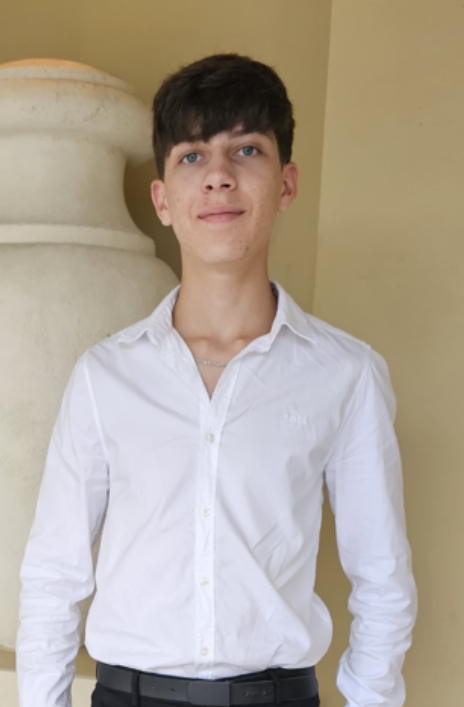
Phillip Grager
Aventura, Florida
When I turned fifteen, my world felt like it was opening up. Most of my friends had cars or were just getting their licenses, and we started going out more to football games, late-night drives, and little trips after school. It felt exciting, like the first step toward independence. But that freedom came with something I didn’t fully understand until my mom sat me down one evening and told me a story that changed how I look at driving forever.
She told me about one of her closest friends from university, someone she used to laugh with, study with, and share her dreams with. One night, her friend decided to drive home after drinking at a party. She said she “felt fine” and didn’t live far away. But she never made it home. My mom said that losing her friend so young was something she could never forget. The image of how fast life can change still stays with her all these years later.
When my mom told me that story, I could see how real it still was for her. She said, “Promise me that when you’re with your friends, when you’re around cars, music, or people who say they’re okay to drive you’ll stop and think. Promise me you’ll make smart choices.” I didn’t realize it at the time, but that story became one of the most important lessons I’ve ever learned.
To me, impaired driving means losing focus and it is not just through alcohol or drugs, but through any distraction that keeps you from being fully present. It means giving up control of what happens next because of one careless decision. It’s misunderstood because people often think it only applies to drunk driving, but impairment can take so many forms: exhaustion, distraction, overconfidence. It’s not always dramatic, sometimes it’s a simple, quiet thought like “I’m fine” when you’re really not.
That story from my mom made me see that driving is not just about you but it’s about everyone around you. When you drive impaired, even slightly, you’re not only risking your own life, but every person who might be crossing the street, or driving in the next lane, or sitting in the passenger seat. I think that’s why my mom wanted to tell me so early, because at fifteen, I was starting to be around people who had cars, who were learning the same things I was, but who might not fully understand the weight of what being a driver means.
After hearing her story, I started paying attention to the choices people make. I noticed how often drivers text at red lights or drive when they’re tired after work or school. I started to see how normalized distracted driving had become and how we treat it like it’s harmless when it’s really not. Even before I got my permit, I made a promise to myself: when I drive, I’ll always be clear-headed, focused, and responsible.
When I took driver’s education, I realized that most of what’s taught is the technical side, signals, signs, and right-of-way rules. But I think what’s missing is that emotional side, the real stories that make you feel what’s at stake. My mom’s story did that for me. It made me realize that driving isn’t just about learning to control a car it’s also about learning to control yourself. It’s about knowing when to say no, when to pull over, or when to hand over the keys.
That awareness has shaped the kind of driver I’m becoming. I plan ahead now by making sure I’m rested, I put my phone in the glove compartment, and I never let anyone pressure me into driving if I’m not 100% focused. Even little things, like checking how I feel before getting in the car, come from that lesson. I also talk about it with my friends. We’ve all agreed to keep each other accountable, if one of us is tired or upset, we take turns driving or find another way home. It’s not about being strict; it’s about caring enough to make sure we all stay safe.
Driver’s education can teach rules, but it’s stories like my mom’s that teach why those rules matter. When you understand what can happen not in statistics, but in real human terms it changes everything. It makes you drive with purpose, not pride. I think that’s what true driver awareness is: realizing that safety isn’t about luck, it’s about preparation, humility, and respect for life.
Now, when I’m behind the wheel, I still think about my mom’s voice, that moment in our kitchen when she said, “Promise me you’ll make smart choices.” I remember that promise every time I start the engine. It reminds me that driving isn’t just about where I’m going; it’s about how I get there, and whether I’m fully present in every moment along the way.
Her story changed my ideas about what it means to be in control. It made me see that being a good driver is about caution. It’s about knowing that the choices I make affect more than just me. It’s about understanding that even one wrong move, one tired night, or one “I’ll be fine,” can change everything.
That’s why I’ll always choose to be careful. I’ll always choose to be the person who stops and thinks before getting behind the wheel. Because for me, the lesson wasn’t about fear it was about responsibility. My mom’s story taught me that being in the driver’s seat isn’t just about driving a car. It’s about steering your life with awareness, respect, and care, for both yourself and for everyone else on the road.
Content Disclaimer:
Essays are contributed by users and represent their individual perspectives, not those of this website.


3 votes
An accident that made me aware that also time and impatience can be impairement
Karin Deutsch