2025 Driver Education Round 3
The True Cost Of Impaired Driving
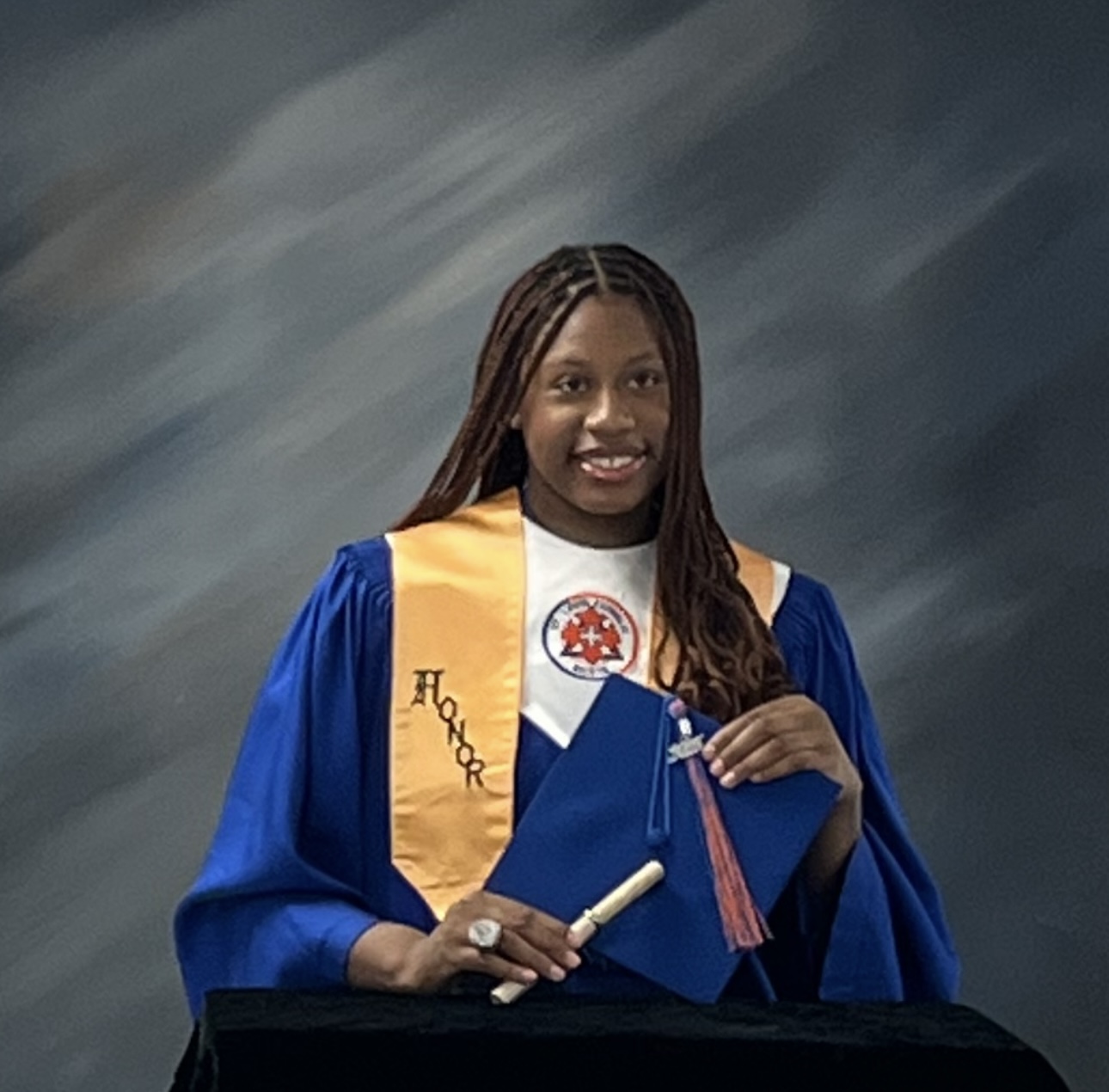
Laci Elizabeth Moton
Lake Charles, La, LA
To me, impaired driving means more than just a legal term or a police report—it represents a moment when a human being’s judgment is clouded, and a single choice has the power to destroy lives. Impairment, in any form, strips away a driver’s ability to make rational decisions, transforming a vehicle into a weapon. It’s a tragedy that happens every day, yet it is often misunderstood—even by those who have completed driver’s education or traffic school. Many people associate impaired driving only with alcohol or drugs, but the truth is that distraction, fatigue, and even emotional distress can be just as dangerous. What makes it misunderstood is the false sense of control. People often believe that if they “feel fine,” they can still drive safely. They underestimate how even a small amount of alcohol, a single text message, or a few lost hours of sleep can dull their reflexes and judgment.
Today, the most common types of impairment among drivers include alcohol use, drug consumption, texting, and fatigue. Each of these affects the brain in different but equally dangerous ways. Alcohol and drugs alter perception, coordination, and reaction time, making it nearly impossible to respond to sudden changes on the road. Texting is another form of impairment that’s deceptively normalized. Many drivers think a quick glance at their phone won’t hurt, but in those few seconds, a life can end. Fatigue is perhaps the most overlooked impairment—it slows the brain just like alcohol does. Driving while exhausted can lead to “microsleeps,” moments when the body shuts down briefly without warning. In every case, these impairments break the delicate balance between attention, reaction, and control—three things that safe driving depends on.
A story that forever changed how I think about impaired driving came from someone very close to me. A few years ago, my cousin lost his best friend in a crash caused by a driver who had been texting. She was only 19 years old, full of dreams and plans for her future. She was on her way home from a late shift when another driver, glancing down at his phone for just a few seconds, crossed into her lane. She didn’t survive. Watching my cousin grieve and knowing that her death could have been prevented left a mark on me that will never fade. That tragedy made impaired driving personal. It stopped being just a “bad choice” I read about in the news—it became a reminder that one careless moment can ripple through countless lives. Since then, I’ve made a promise to myself to never drive distracted or impaired in any way. My phone stays on silent in the back seat when I drive, and I speak up if someone else is being unsafe behind the wheel.
Driver’s education and traffic school programs have the potential to save lives if they focus not only on laws and penalties but also on empathy and awareness. Too often, these programs feel like a checklist—something to get through to earn a license or clear a ticket. But when instructors share real stories of loss and survival, when they show the emotional consequences of impaired driving, it changes people. Human stories make the statistics real. I believe these programs are most effective when they combine facts with feeling—using simulations, videos, and personal testimonies that show how a single choice can end a life or change it forever. Education should not just teach how to drive, but why we must drive responsibly.
As for me, I believe that everyone has a role to play in preventing impaired driving. My role starts with personal accountability—making sure that I always drive with a clear mind, a rested body, and full attention. But it also extends to influencing others. When friends want to drive after drinking, I offer to call a ride or take their keys. When I see someone texting behind the wheel, I remind them of the risks, not to lecture them, but because I care. I want to use my voice and example to promote safe driving, especially among young people my age. We tend to think we’re invincible until reality proves otherwise. My hope is to be the kind of person who helps others realize that safety is not about rules—it’s about love. It’s about caring enough to protect yourself and everyone else on the road.
Impaired driving, in any form, is a choice that carries immense responsibility. Every driver holds someone else’s life in their hands—families, friends, children, strangers. Understanding that truth has changed how I see driving altogether. It’s not just a privilege or a convenience—it’s a commitment to safety, respect, and compassion. If more of us truly understood that, the roads would not only be safer, but also filled with drivers who care about one another’s lives as much as their own.
Content Disclaimer:
Essays are contributed by users and represent their individual perspectives, not those of this website.



An accident that made me aware that also time and impatience can be impairement
Karin Deutsch


