2025 Driver Education Round 3
The Truth Behind ‘I’m Fine to Drive’
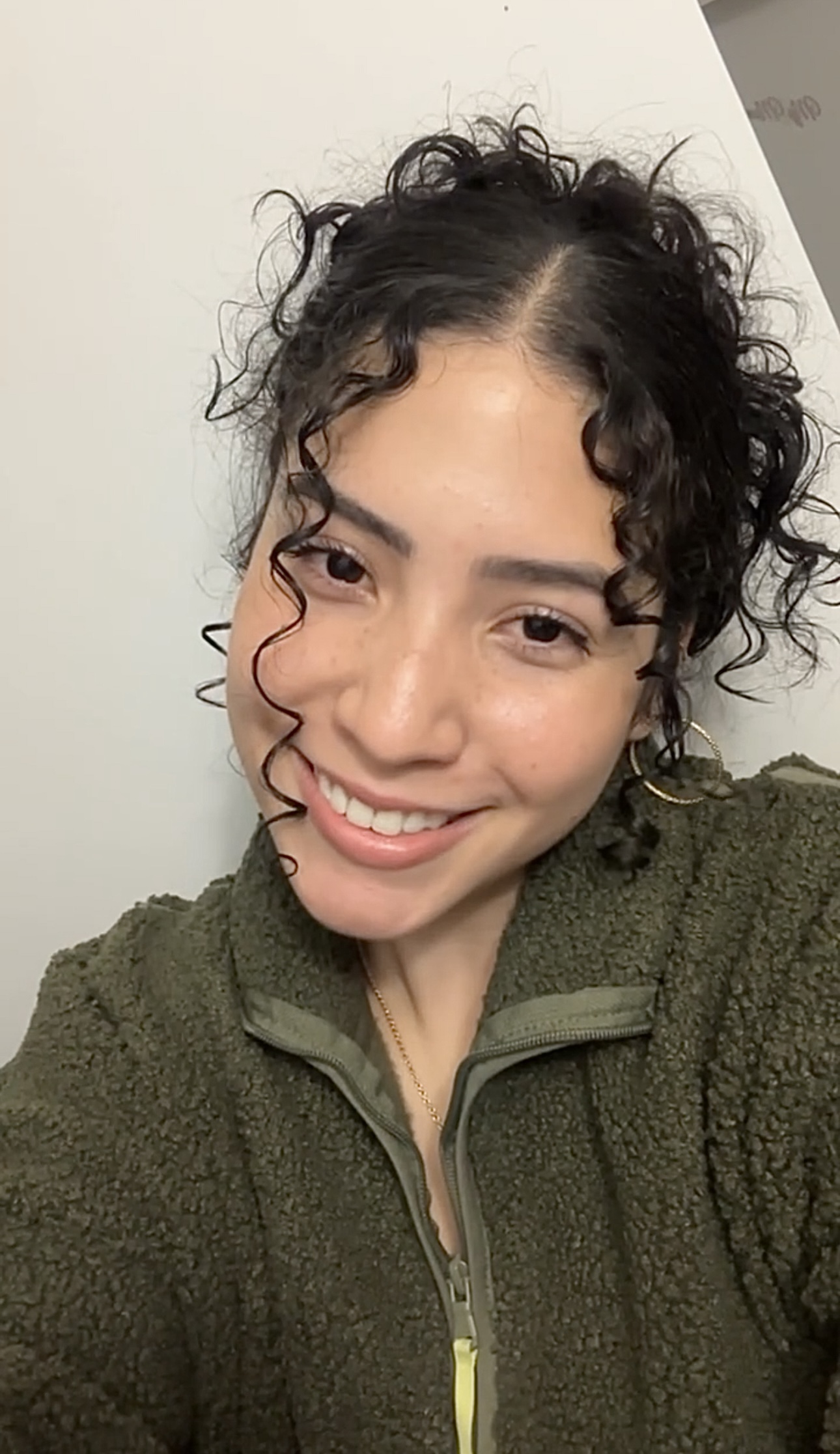
Melanie Ortiz
Oakland Park, Florida
When I hear “impaired driving,” I think about any situation where someone behind the wheel is not fully themselves or their mind, body, or attention is not fully there, where something like alcohol, drugs, texting, or even being extremely tired takes away their ability to react or make safe choices. I think a lot of people misunderstand impaired driving because they believe danger only looks a certain way, even people who took driver’s ed, because everyone believes they are the exception. They think, “I’m fine,” or “I’ve done this before,” or “It’s just a quick text.” People don’t realize how quickly impairment can turn into a life-changing moment. I used to be the same way, until real life showed me otherwise. From what I’ve seen in my own life, the most common types of impairment are drinking, weed, texting, and being overly tired. I’ve been in cars where all of these happened, and each one scared me in a different way. Alcohol slows people down more than they realize, I saw that in the moment my friend almost hit a pole because she thought “a few drinks” wasn’t a big deal. Weed makes people think they’re calm and in control, but I once felt my stomach drop watching a friend drift in and out of lanes on the highway because his reaction time was completely off. Texting is one of the most dangerous things I see, especially with people my age. I watched a friend slam on the brakes so hard our seatbelts choked us because they were reading a message and didn’t see traffic stopping. And fatigue is something I’ve felt myself, that heavy feeling behind the eyes where you know you shouldn’t be driving. All these forms of impairment create the same problem: drivers believe they’re still okay when they’re really not. That false confidence is what makes impaired driving so dangerous, and it’s why I take it seriously every time I get into a car.
One night, my friend insisted she was fine to drive after drinking. She promised she “didn’t have that much.” On the way home, she almost hit a pole. I screamed, and she swerved just in time. I remember how my stomach dropped, how my hands shook. That was the moment I realized how quickly everything can change, how one decision can destroy multiple lives. Another time, I was in a car with someone who kept checking their phone. Traffic stopped suddenly, and they slammed the brakes. Our seatbelts pulled so hard I felt like I couldn’t breathe. I remember thinking, “This didn’t need to happen. This was avoidable.” It was then that I understood texting while driving is its own kind of impairment, just as dangerous as being drunk or high. In my teenage years, I had more close calls than I like to admit. I was in a car with a friend who smoked weed and drove on the highway, drifting between lanes, barely reacting to other cars. Another time after a party, the driver lied about being sober. They were swerving and wouldn’t let me out of the car when I asked. I remember the fear in my chest, feeling trapped, realizing that trusting the wrong person can cost you everything. These moments forced me to grow up earlier than most people my age. And then there were the people who didn’t get lucky. One of my best friends almost died when their car flipped from a drunk driver. She was stuck upside down, crying, unable to free herself. A boy from my school, someone I talked to in class, someone who laughed and joked like everyone else, died in a drunk driving crash when his car rolled into oncoming traffic. Even my dad was hit at a stoplight by someone texting. His car was destroyed. He needed back and shoulder surgery. And seeing him live in pain every day changed me. It made impaired driving personal in a way I wish it never had. Driver’s education and traffic school matter because they help people understand what I learned the hard way. They don’t just list rules, they show you the consequences. They show you how alcohol slows your reflexes, how weed clouds your judgment, how fatigue makes you react like someone who’s drunk, and how texting takes your eyes off the road long enough to end someone’s life. These programs work because they make you imagine the worst before it happens to you. That’s what makes them so powerful in real-world situations.
Driver’s education changed my attitude toward impaired driving because it connected everything, I had lived through to the facts I learned in class. It wasn’t just rules or lectures, it was seeing real crash videos, hearing real stories, and realizing that the situations I had already experienced could have ended so much worse. There was a moment in class where they showed how long it takes to stop after looking down at your phone for only a second, and it hit me because it brought me right back to that day when my friend slammed the brakes and almost caused a crash. Driver’s ed also taught me how to recognize impairment in myself and in others, like the signs of fatigue, or how even “just one drink” affects judgement. What makes these programs effective is the way they make you imagine the consequences before you ever face them. They don’t just teach you how to pass a test; they teach you how to stay alive. And because of what I learned, I speak up more, I drive more carefully, and I don’t hesitate to stop someone from driving when they shouldn’t. The lessons from driver’s ed stay with me every time I get behind the wheel. Because of everything I’ve lived through, I take preventing impaired driving very personally. I made a choice to never stay silent again. If I’m with someone who shouldn’t be driving, I speak up, even if it feels uncomfortable. I’ve taken keys from friends, offered to drive when I felt safer doing it, and even convinced someone to switch seats with me at a stoplight because something in my gut told me they weren’t okay to drive. My friends know I don’t play around with safety. They know I will speak up. They know I will protect them even if it makes me “the serious one.” And honestly, I’m okay with being that person. I’ve seen too much not to be. Looking back, I’m grateful that my close calls didn’t become tragedies. But they shaped me. My own experiences, along with what I learned in driver’s ed, help me recognize danger faster, and I use that to protect the people around me. I never use my phone while driving, and I don’t let the driver I’m with use theirs either. When I’m tired, I pull over instead of pushing through. And when my friends go out, they know I’m the one who will make sure we get home safely. The things I’ve seen and learned have made me the friend who says, “No, you’re not driving,” or “Let me take you home.” I’ve learned that speaking up can literally save a life, and my goal is to make sure no one I love becomes another story of what impaired driving can destroy.
Thank you so much for your consideration and time to read my essay.
Thank you so much for your consideration and time to read my essay.
Content Disclaimer:
Essays are contributed by users and represent their individual perspectives, not those of this website.


3 votes
An accident that made me aware that also time and impatience can be impairement
Karin Deutsch