2025 Driver Education Round 3
The Unseen Impairment: How Education Turns Fear into Vigilance
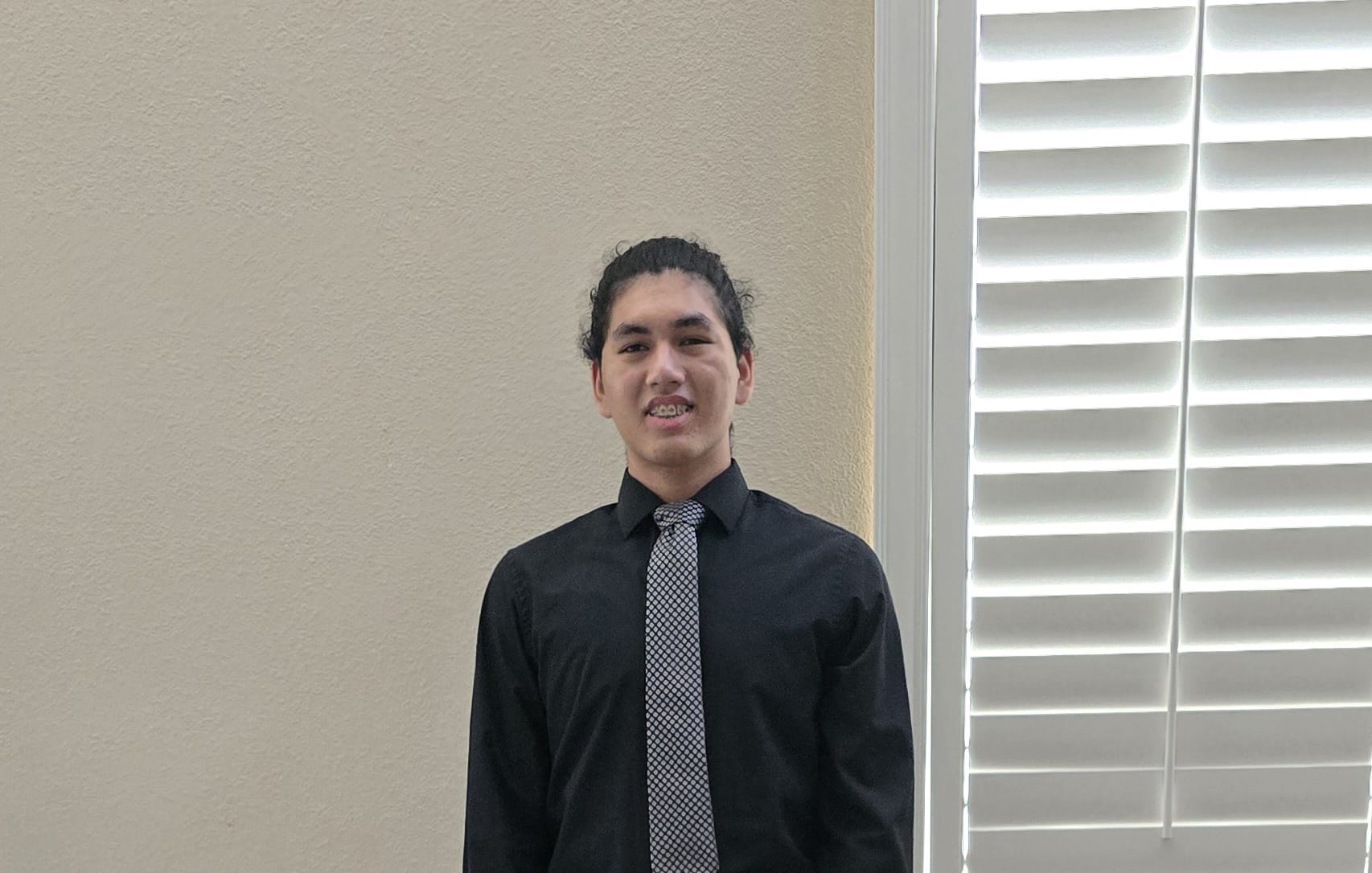
Alex Garza
Riverside, California
he statistics are numbing: 34,000 lives lost each year on American roads, a number that dwarfs wartime casualties. But for me, the concept of impaired driving is not an abstract figure. It is the sound of screeching tires and shattering glass that still echoes in my memory. It is the visceral understanding that a single, distracted glance can irrevocably alter lives. To me, impaired driving means operating a vehicle with any diminished capacity, whether from substance, screen, or sheer exhaustion, that severs the sacred connection between driver and road. The gravest misunderstanding, even among educated drivers, is the belief that impairment is always intentional or obvious. Many, like the driver who hit my family, likely thought it was just one text, not realizing that cognitive distraction creates a form of blindness, making a multi-ton vehicle a weapon of chance.
While alcohol and drugs remain prevalent and devastating impairments, the most insidious and common today is distraction, particularly from smartphones. The lure of a notification creates a tunnel vision that is as dangerous as any substance. Fatigue, too, is a silent epidemic, especially among students like myself, who juggle academics, work, and extracurriculars. I have driven home after long days of classes and Youth Advisory Commission meetings feeling that foggy headedness, mistakenly believing I was fine. These impairments are misunderstood because their effects are not always visible from the outside. A drunk driver swerves; a distracted driver simply fails to see the red light or the car slowing down ahead. The result, however, is tragically the same.
My perspective was forged in the crucible of a real life event. The car accident I experienced was not a dramatic, high speed crash, but a brutal, sudden impact caused by a driver who was looking at his phone. One moment we were driving home from school; the next, we were spinning, the world a blur of panic and crushing force. While our physical injuries healed, the psychological impact was lasting. The fear did not just make me a more cautious driver; it made me a hyper vigilant one. I now see every journey as a responsibility. I am the driver who leaves my phone in my backpack, who pulls over when I feel tired after a late NHS meeting, and who speaks up if a friend seems distracted behind the wheel. That moment of impact shaped my awareness into a constant, active commitment to safety.
This is where driver's education must evolve. Traditional courses are effective at teaching the rules of the road and the mechanics of driving, but they often fail to bridge the gap between knowledge and real world behavior. To change attitudes, education must be visceral and narrative driven. Instead of just listing statistics, courses should incorporate virtual reality simulations that immerse students in the consequences of a split second distraction. They must feature testimonials from survivors, first responders, and even those who have caused accidents, sharing the lifelong burden of their actions. What makes these programs effective is their ability to foster empathy and make the abstract dangerously personal. A curriculum that includes modules on recognizing the signs of fatigue in oneself and the science of cognitive distraction can reframe these choices not as minor lapses, but as conscious decisions to risk lives.
Personally, my role in prevention is twofold: leading by example and being a proactive peer. As an officer in the National Honor Society and a Youth Advisory Commissioner, I have a platform and a responsibility. I do not just practice safe driving; I talk about it openly. I have shared my story with my peers to make the danger feel real, not hypothetical. I have advocated for school wide campaigns during prom season, reminding students that a celebratory night should not end in tragedy. If a friend plans to drive after a long day or reaches for their phone, I offer to navigate or take the wheel. It can feel awkward, but I have learned that a moment of social discomfort is nothing compared to the lifelong regret of saying nothing.
My own accident was a brutal form of education, a lesson I never wanted to learn. But it taught me that safety is not a passive state; it is an active, continuous choice. A comprehensive driver's education program can instill this vigilance before tragedy strikes, transforming a licensed driver into a responsible guardian of the road. I carry the weight of my experience every time I drive, and I am committed to using that knowledge to influence my community. By combining rigorous education with personal accountability, we can shift our culture from one of distracted entitlement behind the wheel to one of focused, collective responsibility. The driver's seat is a position of power, and with it comes the duty to protect every life we share the road with.
Content Disclaimer:
Essays are contributed by users and represent their individual perspectives, not those of this website.



3 votes
An accident that made me aware that also time and impatience can be impairement
Karin Deutsch


