2025 Driver Education Round 3
Through the Eyes of a Worker and a Cyclist: Lessons in Safe Driving
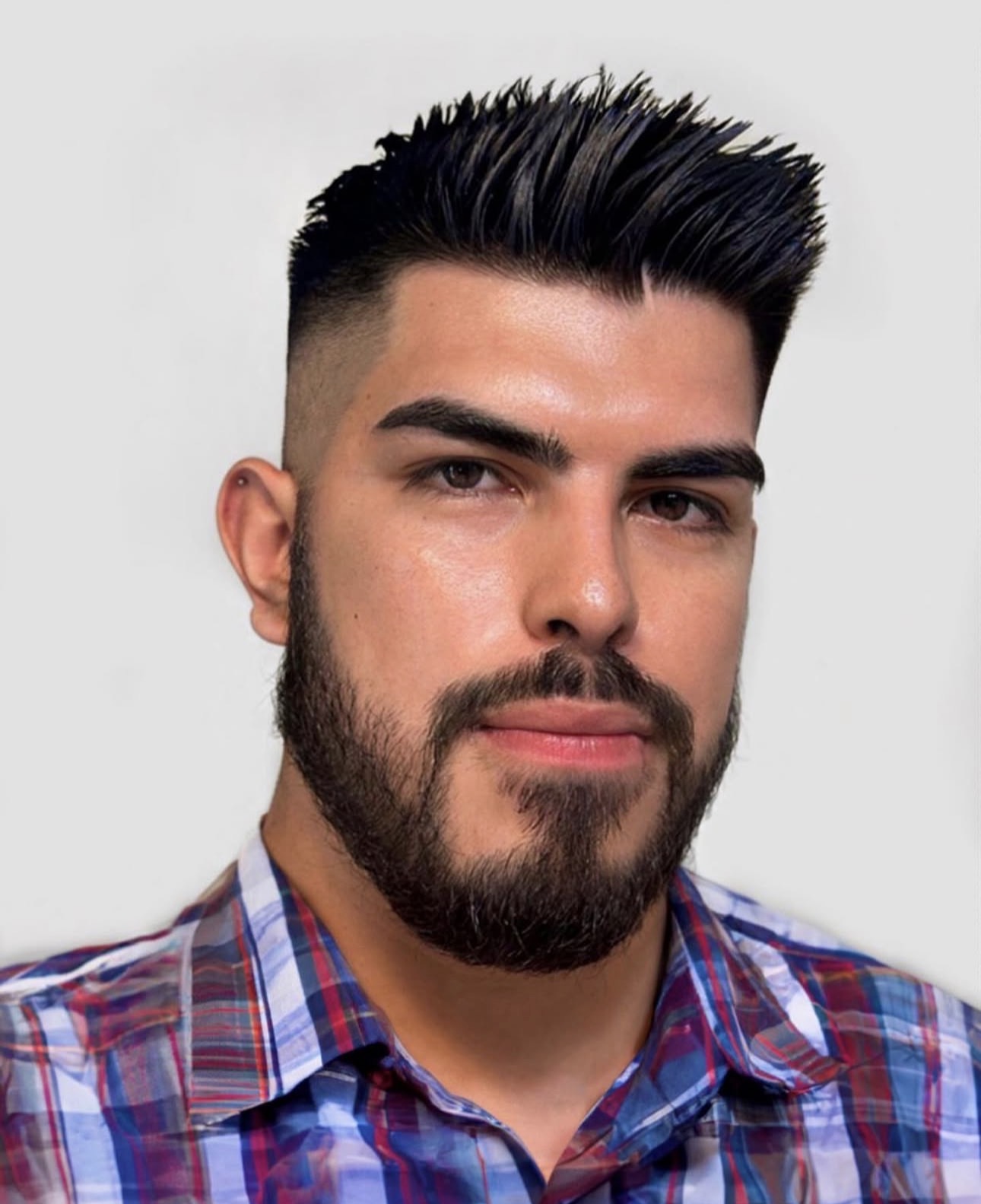
Victor Alexis Jimenez
Davis, CA
When I worked in concrete construction during the pandemic, I finally had a job where I could be outside. Experiencing nature and hearing the sounds of the environment instead of being stuck indoors felt refreshing. One of my first tasks was holding the stop sign to control traffic while we worked in a neighborhood in Sacramento, CA. We had to close a lane because the sidewalk was being excavated. Wearing a high-visibility jacket and bright neon hard hat made me feel safe at first, but I quickly learned some drivers weren’t as focused on the road as they should have been. I noticed people driving impaired by texting, being on a phone call, or blasting loud music. As I signaled cars to stop or pass through, many drivers overlooked their surroundings, were on their phones, sped through the construction zone, and didn’t even see me. Later, when I became a concrete finisher, I realized how dangerous impaired driving really was. Even when we set cones, barricades, and signs to block off areas like parking lots and lanes, drivers still tried to come through. At times, cars came so close to hitting us that it scared everyone on the crew. Ever since I started UC Davis, I’ve seen impaired driving from another angle, but this time as a cyclist. The campus encourages students to bike, and almost everyone here rides a bike or scooter to get around campus because it’s faster, easier, and better for the environment. There’s a stoplight right before entering campus, and every morning, I notice something that reminds me of my construction days. Even when the bike signal turns on and it’s clearly my turn to go, two or three cars still rush through their red light. As a biker, I don’t have the same protections as someone inside a car, as I don’t have air bags or a reinforced metal frame to protect me from a collision, so seeing cars run red lights makes me even more aware of how serious impaired driving is. Cars today are being designed with more distractions. New models have giant screens stretching from the driver side to the passenger side, bright lights, and apps that pull attention away from the road. People also rely too much on self-driving features, assuming the car will take care of everything. Even “hands-free” texting, voice messages, or being on FaceTime can easily take your focus off driving. And driving tired, something many people don’t see as dangerous, is almost like driving drunk. Your brain can shut down for a second and that’s all it takes to hit someone or cause a serious crash. When we’re on the road, we’re trusting strangers with our lives, so we must drive responsibly too. Our choices affect everyone around us. People often misconceive impaired driving because they think “it’s just one text” or “I’ll only look away for a second.” But those few seconds can change someone’s life forever, including the people in your backseat. Even driving on very little sleep can make you slow to react, less aware, and zoned out. Impairment isn’t only about substances, it’s anything that takes your mind, eyes, or hands away from driving. Driver’s education classes can help reduce impaired driving because driving regulations and even car technology are constantly changing. What was safe a few years ago might not be safe anymore. Driver’s ed teaches people about new laws, advanced safety features, and new methods to stay alert behind the wheel. It can also change attitudes by presenting lived experiences, real consequences, and factual data. Once people realize how deadly driving can be, they handle it with more care. What I can personally do to prevent impaired driving is talk about my experiences and show people the view of a construction worker or a cyclist. I can remind people that cars are powerful machines that can hurt others if we aren’t cautious. Every car on the road is a person with a life, a family, and goals. I can also help others gain a clearer understanding of road signs, especially construction signs like merging lanes, lane closures, or shoulder work because knowing what those signs mean can avoid deadly accidents. By telling my story and helping others understand road safety, I hope people realize that being a safe driver isn’t just about protecting yourself, it’s about protecting everyone around you.
Content Disclaimer:
Essays are contributed by users and represent their individual perspectives, not those of this website.



3 votes
An accident that made me aware that also time and impatience can be impairement
Karin Deutsch


