2025 Driver Education Round 3
Two Seconds
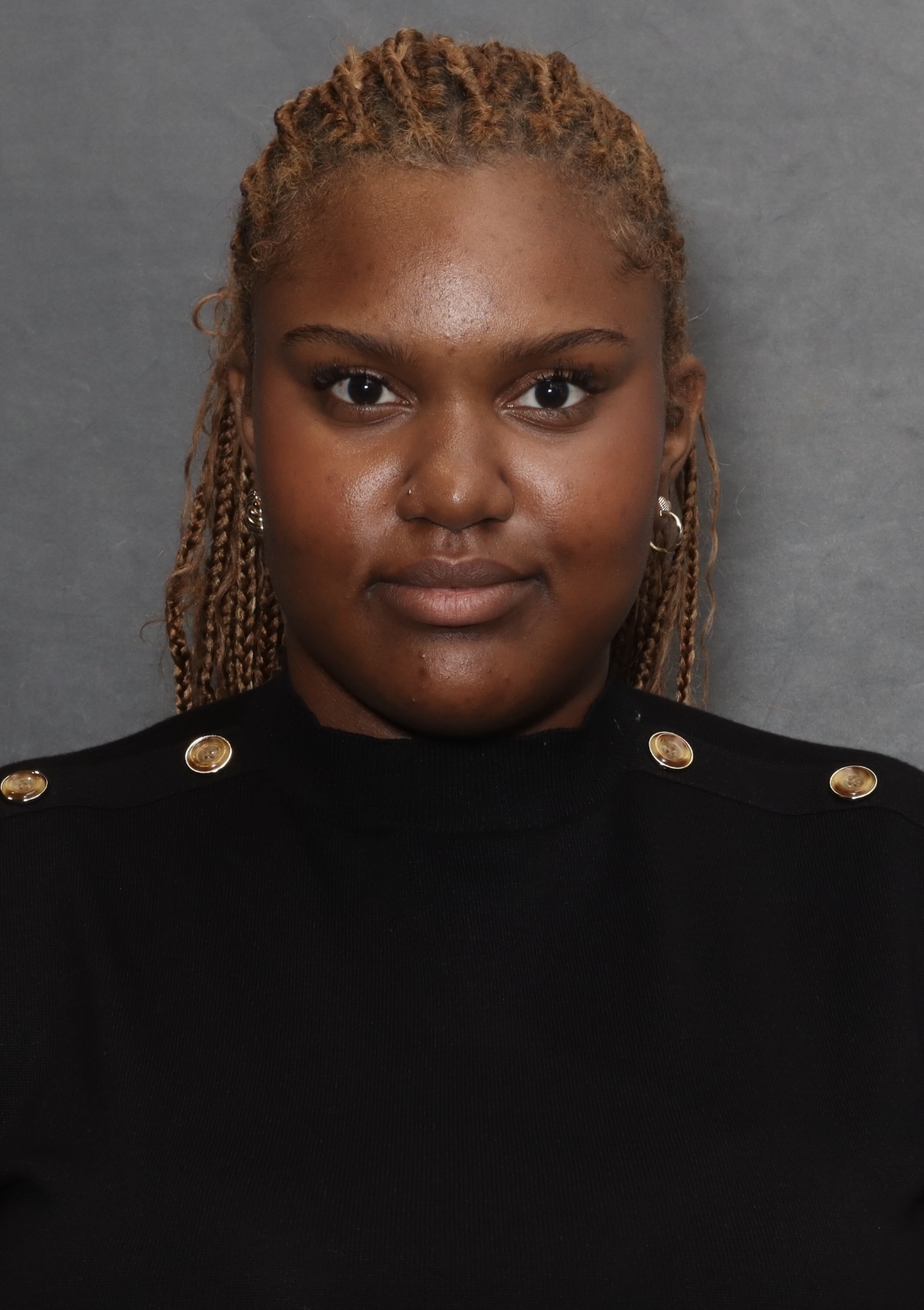
Yanagloria Lopetey Gayle
East Lansing, Michigan
I still remember the first time I visited my cousin after her crash. The hallway outside her hospital room was quiet, but inside everything felt loud: the beeping machines, the shaky breathing, the way my family tried to process something that happened in only two seconds. It wasn’t a drunk driver, or rain, or a bad road. It was a text message. One she could have waited to send. One she thought wasn’t a big deal. While typing it, her car drifted, and everything after that moment changed. Today, she still walks with a permanent imbalance; a reminder of how fast a normal day can become a life-changing one.
Before her accident, I thought “impaired driving” only referred to drinking and driving. That was the definition that stick to me, alcohol, drugs, and reckless speeding. But watching someone I care about lose mobility, her job, car, and most of her independence showed me impairment can be anything that takes your focus away from driving. Anything that slows your reaction time or disconnects your mind from the road.
When I earned my license, I didn’t fully understand that yet. I was excited; it felt like freedom, responsibility, and adulthood. “I thought I was grown” my mom would say. That first summer with my license, I worked long hours, often late. My drive home became routine, almost automatic. There were nights I pulled into my driveway and couldn’t remember the last ten minutes of the drive. My eyes were open, but my attention wasn’t really there. I wasn’t present. I wasn’t alert. I was just tired.
And one night, that almost cost someone their life.
I was driving home after a long shift in retail. It was late, and the street was empty. I wasn’t speeding; I was just exhausted, zoning out, staring ahead without really processing what I was seeing. Then suddenly, my car jerked forward and stopped hard. I didn’t hit the brakes; my car did. A runner was crossing in front of me, and I hadn’t seen him at all. The only thing that saved him was my car’s automatic braking system reacting faster than I did.
My heart dropped. My hands shook on the wheel. I sat there staring at him, realizing how close I had come to changing his life, and mine, forever. I wasn’t drunk. I wasn’t texting. But I was impaired. In that moment, I finally understood how dangerous “I’m just tired” can be.
Impaired driving doesn’t always look reckless. Sometimes it looks normal; a phone notification, a stressful day, a late shift, or a quick message someone thinks can’t wait. Today, the most common types of impairment I see aren’t just alcohol and drugs, they’re phones, fatigue, distraction, stress, and confidence that nothing bad will happen.
Driver’s education can play a huge role in changing how people understand that. But to be effective, it has to go deeper than memorizing road signs or watching crash videos. A lot of students enter driving school thinking they already know everything; I was one of those. They hear statistics, but statistics don’t change behavior; experience does.
That’s why I believe driver’s education should include more realistic simulation-based learning. Not just videos, but immersive scenarios where students physically feel how fast a crash can happen. Driving simulators that show delayed reaction time, distraction, or fatigue could teach what words sometimes can’t: driving demands full awareness. There should also be more personal testimony that aren't just YouTube videos; survivors, families, people living with the consequences. When driving becomes emotional, it becomes real.
Driver’s ed isn’t just about laws; it’s about habits, mindset, and responsibility. It’s about creating drivers who think before they start the engine. It’s about understanding that a car isn’t just transportation; it’s something capable of ending someone’s life if not used properly.
My role now is personal. I can’t prevent every accident, but I can prevent the ones connected to my decisions. I speak up when someone texts while driving. I encourage my friends to put their phones on Do Not Disturb. I wait until I'm no longer tired. I choose safety, not convenience. And I remind myself that behind the wheel, I’m responsible not just for my own life, but for every life around me.
Sometimes I think about my cousin; how one text changed everything. And sometimes I think about that runner; how my car braked before I did. Both moments stay with me.
Because now, when I'm in the driver’s seat, I don’t just see a road,
I see possibilities. And I choose responsibility, every time.
Content Disclaimer:
Essays are contributed by users and represent their individual perspectives, not those of this website.



3 votes
An accident that made me aware that also time and impatience can be impairement
Karin Deutsch


