2025 Driver Education Round 3
Understanding Impaired Driving: A Personal Commitment to Safety
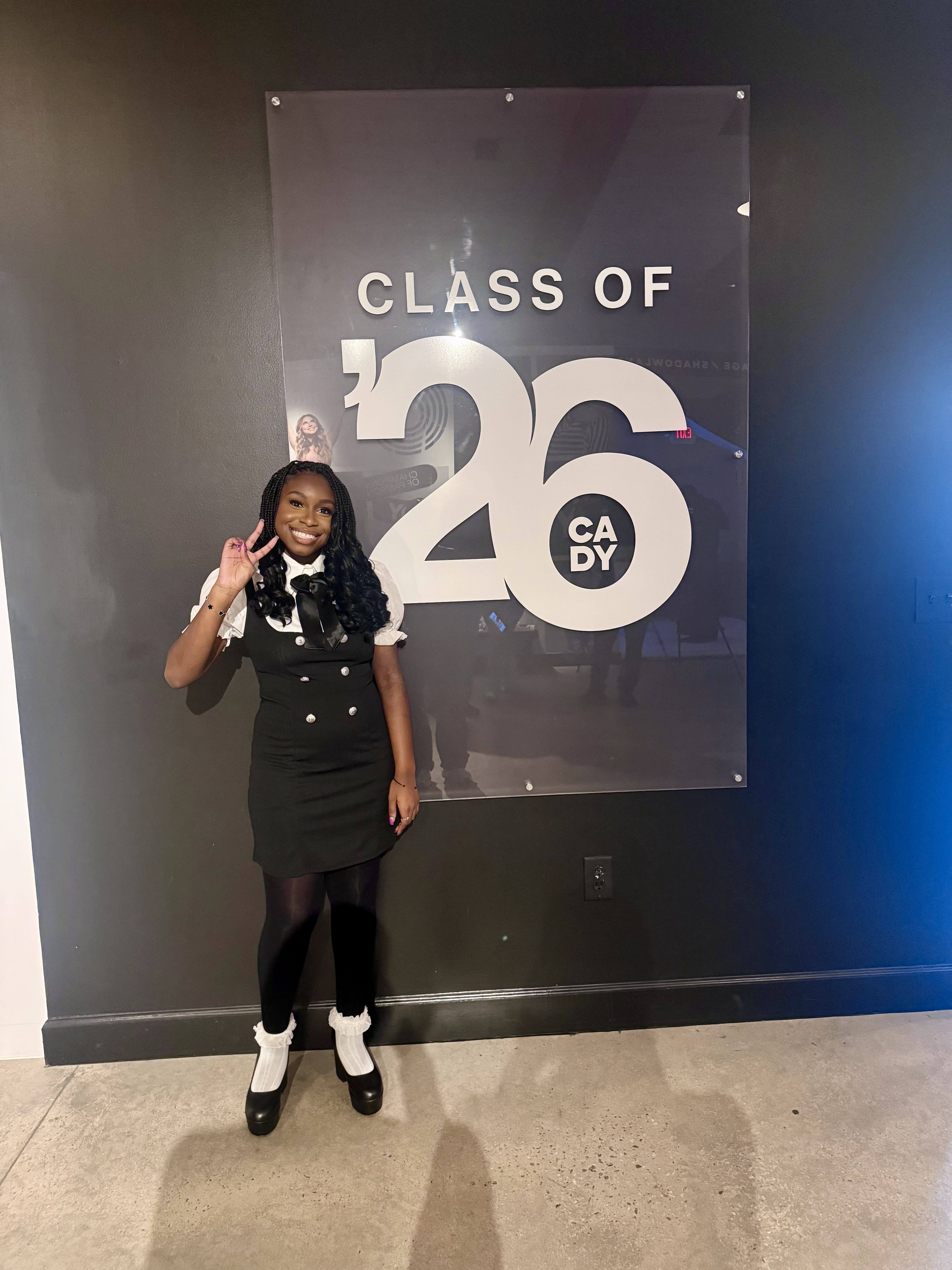
Alexzandria Dawson
Canton, Georgia
Impaired driving means operating a vehicle when any factor—whether substance-related, physical, emotional, or technological—compromises a driver's ability to focus, react, and make sound decisions. To me, impaired driving is not limited to the obvious dangers of alcohol or drugs. It includes texting while driving, driving while exhausted, eating behind the wheel, or even driving when emotionally distressed or mentally overwhelmed. As someone with ADHD who will be getting my license this year, I understand that impairment is not always intentional or even recognized by the driver. Many people, even those who have completed driver's education or traffic school, misunderstand impaired driving because they associate it only with intoxication. They fail to recognize that any distraction or condition that divides their attention or slows their reaction time makes them impaired. This narrow understanding creates a dangerous gap between knowledge and behavior, where drivers believe they are safe simply because they are sober, even while scrolling through their phone or driving on three hours of sleep.
The most common types of impairment among drivers today include alcohol, drugs, texting, and fatigue. Alcohol and drugs slow reaction times, impair judgment, and reduce coordination. Texting and phone use create distractions that pull a driver's eyes off the road and their mind away from their surroundings. Even a few seconds of distraction can mean missing a stop sign, a pedestrian, or a car braking ahead. Fatigue impairs drivers similarly to alcohol, reducing alertness and slowing reaction times. Each of these impairments contributes to unsafe behavior by creating a false sense of control. Drivers believe they can multitask, stay awake, or push through when they should not be driving at all. That overconfidence removes the margin of error that keeps everyone on the road safe.
I have experienced impaired driving in a way that changed how I think about it forever. I was in an accident where someone hit the car on my side. The driver thought he could still make it through the light when it turned orange, but he could not. He also did not have insurance. That moment traumatized me. I remember the impact, the noise, the feeling of everything happening too fast to process. For a long time afterward, I felt anxious every time I got in a car. I still feel that fear sometimes, especially when I see drivers rushing through yellow lights or making risky decisions. To drive to my school, I must take the interstate, and although my parent's car has the Student Driver magnet on it, it seems to make other drivers go faster. Instead of giving me space to learn and practice safely, some drivers tailgate, weave around me, or speed past aggressively. It feels like they are impatient or annoyed, and that impatience is its own form of impairment. Road rage and reckless driving are just as dangerous as texting or driving under the influence because they cloud judgment and prioritize ego over safety. That experience shaped my awareness in a way no driver's education course ever could. It taught me that impaired driving is not just about substances. It is about judgment. It is about thinking you have more time or more control than you actually do. It is about making selfish decisions that put other people at risk. The driver who hit me was impaired by his own impatience and recklessness, and I paid the price for his choices. That is something I will never forget, and it influences every choice I will make behind the wheel.
Driver's education and traffic school courses help change attitudes and behaviors around impaired driving by providing education, real-world scenarios, and accountability. These programs are effective because they go beyond teaching the mechanics of driving. They address the psychological and social factors that lead to poor decisions. They show videos of crashes, share survivor stories, and present statistics that make the risks real. What makes these programs effective is their ability to shift perspective. They help drivers see themselves not as invincible but as responsible for the safety of everyone on the road. However, education alone is not enough. Lasting change requires personal commitment and a willingness to hold ourselves and others accountable.
I can personally play a role in preventing impaired driving by modeling safe behavior, speaking up when I see unsafe choices, and using my knowledge to influence others. As someone with ADHD, I know I will need to be especially mindful of distractions and overstimulation while driving. I plan to keep my phone out of reach, avoid driving when I am tired or emotionally overwhelmed, and create routines that help me stay focused. Being left-handed has taught me to adapt in a world designed for right-handed people, and that same adaptability will help me develop safe driving habits that work for my brain. I also recognize that my experience gives me a responsibility to speak up. Whether that means offering to be a designated driver, encouraging someone to pull over when they are tired, or refusing to get in a car with someone making unsafe choices, I can use my voice and my actions to create a culture of safety. Impaired driving is preventable. Preventing it starts with individual accountability and a commitment to protecting every life on the road. I have seen what happens when drivers make careless decisions, and I refuse to be that person.
Content Disclaimer:
Essays are contributed by users and represent their individual perspectives, not those of this website.



3 votes
An accident that made me aware that also time and impatience can be impairement
Karin Deutsch


