2025 Driver Education Round 3
Understanding Impaired Driving and My Committment to Safer Roads
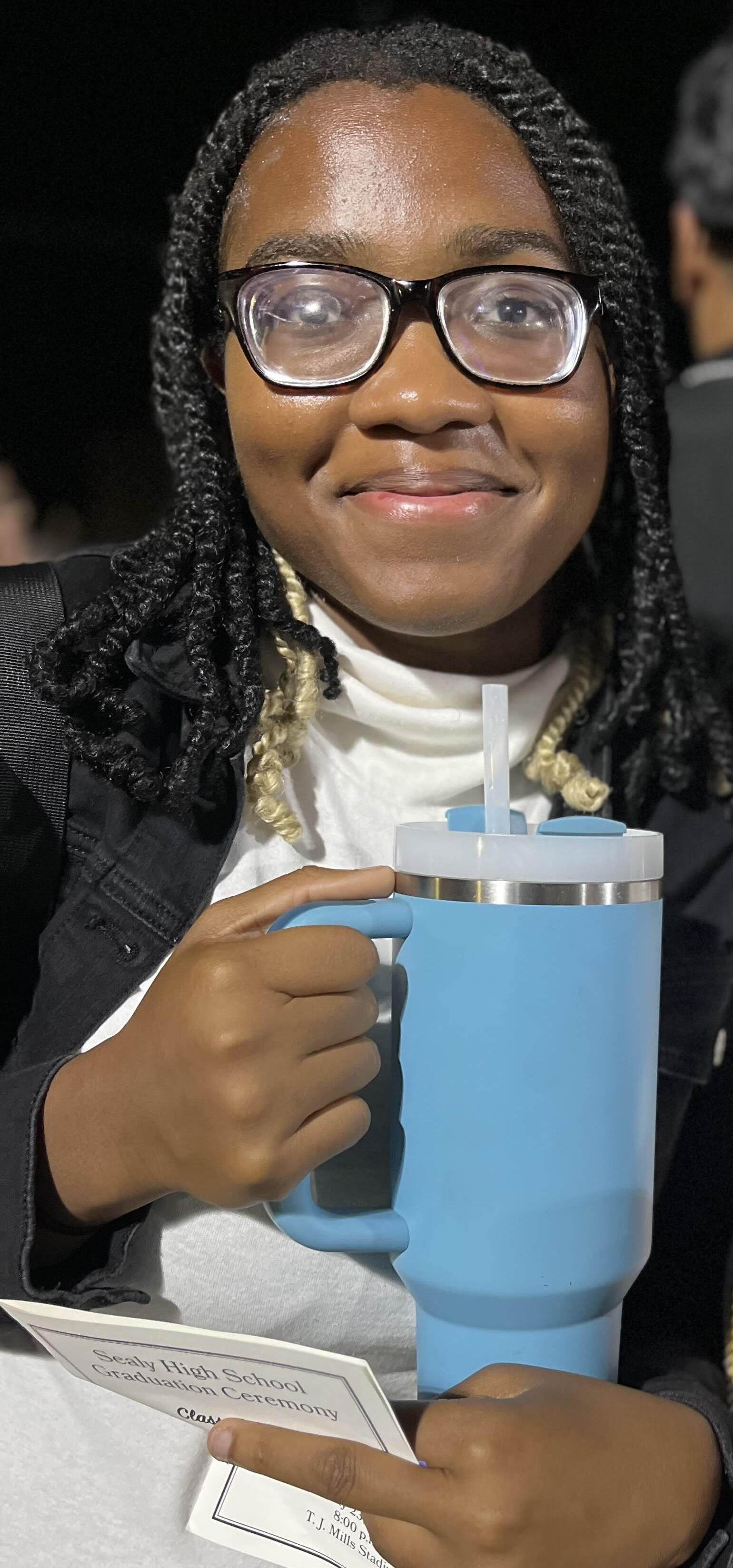
Mya Tumer
Sealy, TX
To me, impaired driving means losing control not only of a vehicle, but of judgement, awareness, and responsibility. It is when someone chooses to drive while under the influence of alcohol, drugs, or distractions that prevent them from making safe decisions. Impaired driving doesn't just risk the driver's life, it endangers passengers, pedestrians, and everyone sharing the road. It represents a moment of carelessness that can lead to life long consequences or, unfortunate, death. I've learned that one poor decision behind the wheel can change countless lives forever, and that is why I take the issue of impaired driving so seriously.
Despite how serious it is, impaired driving is often misunderstood even by people who have taken driver's education or traffic school. Many drivers assume that "impaired" only means being drunk, but it can mean much more than that. Impairment can come from being overly tired, emotionally upset, distracted by a phone, or using medications. Some people who have completed the driver's education forget what they learned once they've been driving for a while. They start to feel confident, maybe even overconfident, and convince themselves that "it's just one drink" or "I can text quickly and still pay attention." These small moments of overconfidence are what lead to tragic mistakes. Even well-trained drivers can underestimate how much their abilities are affected by fatigue, alcohol, or distractions until it's too late.
Today, the most common types of impairment among drivers are alcohol use, drug use, fatigue, and distracted driving especially from cell phones. Each one of these impairs a person's ability to react, make sound decisions, and control their vehicle. Alcohol and drugs slow coordination and blur judgement, while drowsiness dulls focus and reaction time. Distracted driving, which includes texting or even talking to passengers, pulls a driver's attention away from the road for just a few seconds, yet those seconds can mean the difference between life and death. People often believe they can multitask while driving, but the truth is that no one can give 100% attention to the road while also focusing on a phone or conversation.
I learned this lesson the hard way through a close personal experience. One of my old friends used to drink and drive often. She always told me she "knew her limit" and insisted that she was fine to drive home after a few drinks. But over time, her confidence led to several near accidents. Once she ran off the road and hit a mailbox; another time, she almost hitanother car while trying to make a turn. Watching her take those risks was terrifying. I remember sitting in the passenger seat one night, gripping the door handle and silently praying we would make it to her house safely. That moment changed me forever. It made me realize how easily a careless decision could have ended both of our lives. I started to see impaired driving no as a mistake, but as a dangerous, preventable choice. That experience taught me to NEVER drink and drive, no matter what. It also made me more aware of how important it is to speak up, even if it feels uncomfortable. Now, I would rather call a friend out or take their keys than see them risk everything over pride and convenience.
Driver's education and traffic school programs can play a huge role in changing attitudes about impaired driving. They don't just teach rules; they shape perspectives. A good driver's education program emphasizes responsibility, self-control, and empathy for others on the road. When students see real-world examples, watch simulations of drunk or distracted driving, or hear stories from people affected by crashes, it makes the lesson personal. These programs work because they go beyond information like create awareness and emotion. They show that behind every statistic is a human story, and that safe driving is a shared responsibility.
What makes these programs effective in real world situations is repetition and relevance. The more drivers are reminded of how impairment affects their actions, the more likely they are to make safe choices. Programs that allow students to experience impaired driving simulations such as wearing goggles that mimic intoxication, can leave a powerful impression. It's one thing to hear alcohol slows reaction time; it's another to feel how disoriented and out of control it makes you. Those hands on lessons stick with people long after they leave the classroom.
Personally, I know I have a role to play in preventing impaired driving. I can lead by example by always staying sober when driving, using designated drivers, and refusing to get into a car with someone who isn't fit to drive. I can also influence others by speaking up when I see risky behavior and spreading awareness through conversations or social media. My knowledge and experiences give me the power to help others think twice before making a dangerous choice. Every time I make the decision to drive safely, I'm not just protecting myself but I'm protecting everyone else on the road.
Impaired driving has taught me that safety is not something to take for granted. The experience with my friend shaped how I view responsibility, and it constantly reminds me that one person's decision can save or end a life. I want to be part of a generation of drivers who value awareness, respect, and accountability. Through driver's education, personal commitment, and leading by example, I believe we can create safer roads and prevent countless tragedies.
Content Disclaimer:
Essays are contributed by users and represent their individual perspectives, not those of this website.



An accident that made me aware that also time and impatience can be impairement
Karin Deutsch