2025 Driver Education Round 3
Waging War on Ourselves: the Casualties of Impaired Driving
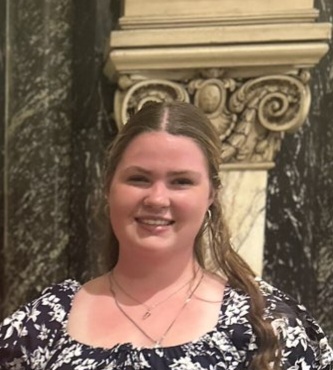
Michelle Pauwels
Whitelaw, Wisconsin
Everyone in America is terrified by the idea of going to war, and rightfully so. However, there is already a deadly conflict occurring right here on American soil. This ‘war’ is being waged on us by our most deadly opponents: ourselves. Every day, according to the CDC, 120 people die from driving related accidents. These deaths are tragic, but also preventable. Through learning about safe driving practices and how to recognize impaired driving, avoiding distractions while driving, and attentively participating in driver’s education and road safety courses, America can bring this horrifically high number of deaths to zero.
Impaired driving, in my opinion, is any time that someone is driving without 110% of their focus on the road. Phones, alcohol, drugs, and drowsiness are all common examples of this. However, distracted driving does not have to be something as drastic or blatantly obvious. It can be fumbling with the lid of a water bottle while driving, or reaching over to grab a snack from a passenger. Impaired driving can also be mental. Thinking about an important presentation instead of driving, while on the road, can land you in the ditch just as fast as sending a text or getting behind the wheel while high.
Of all of the distractions that affect drivers, the most serious is driving drunk. I live in Wisconsin, and drinking is a huge part of the culture in my state. While this is not necessarily a bad thing, it becomes a big problem when all of the people who go out to the supper clubs and bars and get drunk, then decide to drive themselves home. Driving at night becomes a disaster waiting to happen for everyone, not just those who are drunk behind the wheel. According to the National Highway Traffic Safety Administration, 34 people die in drinking related car accidents everyday. This number should be zero. But, because people place convenience, pride, or stupidity above someone else’s safety, everyday, children lose parents, schools lose students, and communities are torn apart by preventable deaths.
Drunk driving, although it is perhaps the most dangerous of distractions, is not the one that affects most people my age. The distraction that is killing adolescents before they even get a chance to start living their lives is phones. According to the California Office of Traffic Safety, being on a phone while driving makes you three times more likely to be in a crash. Driving is already one of the most dangerous activities humans partake in, why increase the risks by doing something trivial like sending a text?
My own family has been impacted by the irresponsible decisions made by distracted drivers. My mom and older brother, Aaron, were t-boned by a teen-aged driver on her phone. She ran a red light and hit my family members. They could have been killed, but praise God, they are alright. The stress and worry that this situation caused my family are impossible to understand, unless you have been through a similar situation.
There was another instance in my community where a young lady was hit and killed by a distracted driver. Her name was Keegan Grimm, and she went to a local high school. At the time, she was only two grades above me. Although she did not go to my school, my volleyball team played her team just weeks after the accident in which Keegan was killed. The devastation I saw among her teammates was absolutely heart-wrenching. Although I did not have the privilege of knowing Keegan personally, I did know some of her classmates, and through them, I felt a fraction of the loss that shook her school community.
Although every aspect of a loss like this is horrific, the saddest part is that it is completely preventable. If people understood the horrors that come from irresponsible, distracted driving, they would be less likely to do it. Everyone thinks that it will never happen to them, but in truth, it can. The numbers that instructors say in driving safety classes are not just numbers. Every single one of them is a life cut short by someone else’s irresponsible actions.
Driver’s safety classes contribute to making the roads safer in one way: they teach people. They teach people safe habits and the consequences of their actions. Even if you have never been in a situation where you personally have been affected by an impaired driver, chances are you have watched a video or been at a presentation where someone who has been affected shared their experience. These opportunities are usually made possible through some type of driver’s safety class.
I went to a presentation about impaired driving in my sophomore year of high school, so when I say that these programs have a deep effect on young people, I am speaking from experience. I recall talking with my classmates after the program was finished, and everyone said things such as, “I didn’t know it was that serious!” and “It’s crazy how such a little mistake can lead to such big consequences!”
It is important, I believe, to make sure that everyone who is attempting to get their license hears from both someone who was the victim of impaired driving and someone who was the perpetrator. We do not realize how devastating it is not only for the victim, but also for the driver. Impaired driving not only leads to higher insurance and possibly losing your license: it can also lead to the death of another person and criminal charges. It is shocking how many young drivers do not know this. I think that driver’s safety classes need to focus more on the detrimental effects that impaired driving has on the driver.
For these classes to be effective in the real world, I believe that it is important for there to be first hand testimony from both sides of a distracted driving incident. Hands-on experiences also really help students to understand the dangers of impaired driving. While I was attending a snowmobile safety course, the instructor had all of the students put on drunk glasses and try to high-five one another. Even though this did not happen in a driving safety class, I still remember how uncoordinated I was and how bad my depth perception was. I think that if driving students had a similar experience, they would have a better understanding of the consequences of driving drunk. If this and similar experiences for other types of driving impairment were implemented, it would give people a chance to see the effect that distracted driving has without them ever getting behind the wheel of a car while impaired.
Preventing the tragedy of impaired driving can seem daunting, but together, we can end this needless death we inflict on ourselves. Although no one can fight this enemy alone, when we stand together and do the small things, such as offering a friend a ride home after you know they have been drinking, or letting your passenger answer the phone for you, we can bring the number of casualties from impaired driving to zero.
Although I cannot end this tragedy alone, there are several things I can do to aid in the effort. First and foremost, I can do my part by not participating in impaired driving. I can silence my phone while driving, let my passengers handle the radio, and, once I turn twenty one, not get behind the wheel after drinking. I can also help by helping other people not drive impaired. This can look like offering a friend a ride after a party, or, if you are riding with someone who is texting while they drive, telling them off. It may seem rude, or none of your business, or, maybe you do not want to offend the driver, or start an argument. But, maybe they will never text and drive again. Is that not worth feeling uncomfortable or rude for a few seconds?
If everyone makes these little sacrifices, impaired driving will be greatly reduced, if not eliminated all together. Let’s all stand together and fight back against this enemy that has made our roadways unsafe for us to use. Together, we can make zero deaths from impaired driving a reality.
Content Disclaimer:
Essays are contributed by users and represent their individual perspectives, not those of this website.


3 votes
An accident that made me aware that also time and impatience can be impairement
Karin Deutsch