2025 Driver Education Round 3
What impaired driving means to me
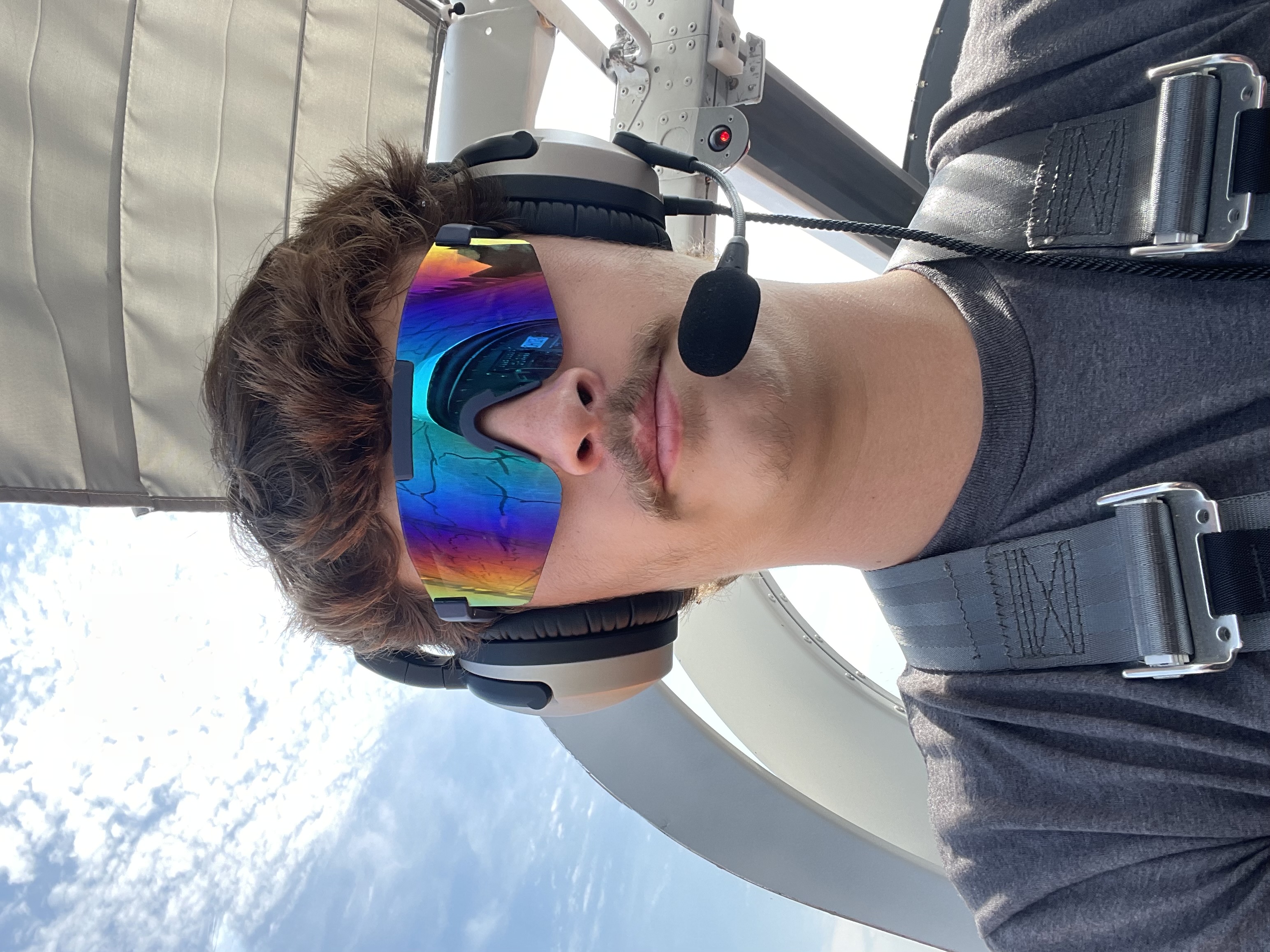
Logan Hanquet
St Charles, MO
When I hear the words “impaired driving,” I don’t just think of someone drunk behind the wheel — I think of any moment when a person’s ability to drive safely is taken away by something they can’t control, or worse, something they choose to ignore. To me, impaired driving means losing sight of the responsibility that comes with driving — the responsibility to protect not only yourself, but everyone else on the road.
Impairment isn’t always as obvious as slurred speech or stumbling. It can be something as small as being too tired after a long shift, too distracted by a buzzing phone, or too upset after a bad day. It’s when emotion, exhaustion, or overconfidence clouds a person’s judgment. And that’s what makes it so dangerous — it can sneak up on anyone.
As a lifeguard, I’ve learned a lot about responsibility and reaction time. My job is to stay alert for hours at a time, scanning the water, watching for signs that someone might be in trouble. Even one second of distraction could be the difference between saving a life and losing one. That same mindset applies to driving. When I’m on the road, I remind myself that a car can be just as dangerous as deep water if you aren’t fully focused. Driving while impaired—whether by substances, fatigue, or emotions—is like turning your back on the pool. You might think nothing will happen, until it does.
What makes impaired driving so misunderstood is how easy it is for people to justify it. I’ve heard adults say, “I’m fine, I only had one drink,” or “It’s just a short drive.” Even people who went through driver’s ed or traffic school convince themselves that they’re still “okay.” The truth is, people don’t want to see themselves as impaired. They think as long as they’re not stumbling or falling asleep, they’re still in control. But impairment isn’t just about being drunk or high—it’s about being less than fully capable of handling the responsibility of driving.
I think part of the problem is that people confuse legal with safe. For example, marijuana is legal in many places, and so are most prescription drugs, but that doesn’t make them safe to mix with driving. The same goes for distractions like texting — there’s no law that can completely stop someone from glancing at their phone. People assume they can “multitask,” when in reality, even a moment of distraction can be deadly. It’s scary how normal it has become to see someone holding their phone on the highway. We’ve all seen it — and that’s part of the misunderstanding too. When dangerous behavior becomes common, people stop seeing it as dangerous.
I’ve never lost a loved one to impaired driving, and I’m thankful for that. But I’ve seen the aftermath of carelessness. Once, leaving my job late one evening, I watched a car swerve off the road just a few blocks from the pool. The driver had fallen asleep after working a double shift. Thankfully, no one was seriously hurt, but the image of that car stuck in a ditch stayed with me. It made me realize that impaired driving isn’t just about bad people making bad choices. It’s about good people making one wrong decision because they think they can handle it.
Fatigue, stress, or even overconfidence can all be forms of impairment. In high school, I’ve had nights where I stayed up studying until 2 a.m. and then had to drive to school early the next morning. I remember how heavy my eyelids felt at stoplights, and it scared me. It made me understand that driving while exhausted is no different from driving under the influence—it slows your reactions and dulls your awareness. That’s when I started promising myself that no grade or deadline was worth risking a life, even my own.
is more than just a rule in the driver’s manual—it’s a reminder that safety depends on honesty and humility. It’s about admitting that you’re not always capable of making perfect decisions, and that sometimes the best choice is to hand over the keys, take an Uber, or wait until you’re fully alert again. It’s about realizing that driving isn’t a right, it’s a privilege—a privilege that carries the weight of every life around you.
I think impaired driving is misunderstood because people don’t connect it to real people. It’s easy to see statistics and think, “That won’t happen to me.” But every number in those statistics was once a person who thought the same thing. That’s why awareness matters so much—because education can’t change what people know until it changes what they believe.
To me, impaired driving means making a promise—to myself, my family, and everyone else on the road—that I’ll always be honest about my ability to drive safely. It means remembering that one careless decision can cause permanent pain. It means taking pride in being responsible enough to walk away from the wheel if I’m ever not ready to handle it.
When I drive, I think about the trust that everyone around me is placing in me—people I’ll never meet, but whose lives could be changed by one moment of my inattention. That trust is sacred, and it’s what keeps me focused every time I turn the key.
Content Disclaimer:
Essays are contributed by users and represent their individual perspectives, not those of this website.



3 votes
An accident that made me aware that also time and impatience can be impairement
Karin Deutsch